

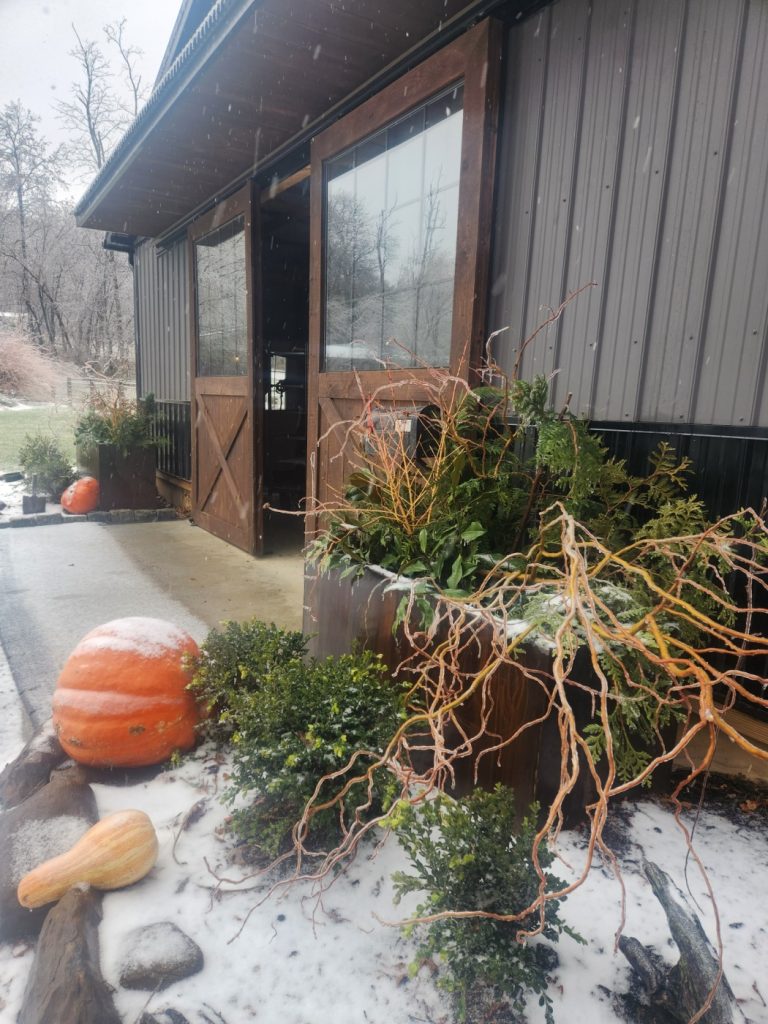
As temperatures drop and winter approaches, one question we often hear is: How does Corten steel perform in cold weather?
Corten steel, also known as weathering steel, is designed for outdoor environments and is used in everything from landscape planters and raised garden beds to architectural elements, edging, and custom water features. Unlike conventional steel, Corten develops a protective surface patina that changes over time as it is exposed to cycles of moisture and drying.
So what happens when temperatures fall below freezing?
In most cases, Corten steel continues to perform as an outdoor material through cold temperatures, snow, and seasonal weather changes. In fact, the natural weathering process is part of what makes Corten such an appealing material for four-season landscapes.
Does Cold Weather Affect Corten Steel?
Cold temperatures themselves do not stop the weathering process or cause Corten steel to suddenly deteriorate.
Corten steel is manufactured for outdoor exposure, and its performance is based on the development of a protective patina on the surface. As temperatures fluctuate throughout the year, the steel continues to experience changing environmental conditions.
During winter, moisture from rain, snow, ice, and condensation can come into contact with the surface. When conditions become dry again, the surface dries and the weathering process continues.
The result is a material that can naturally change in appearance as it experiences the seasons.
What Happens to Corten Steel When It Freezes?
When temperatures fall below freezing, water on the surface of a Corten steel product can freeze just as it can on other outdoor materials.
This doesn’t mean the Corten steel itself is freezing or becoming brittle under ordinary winter conditions.
Corten steel remains a durable structural material through normal seasonal temperature changes. However, as with any outdoor product, the way it is designed, fabricated, installed, and exposed to water can influence its long-term performance.
For example, proper drainage is particularly important for planters, raised beds, water features, and other products where water may collect.
Does Snow Damage Corten Steel?
Snow itself is not generally a reason to avoid Corten steel outdoors.
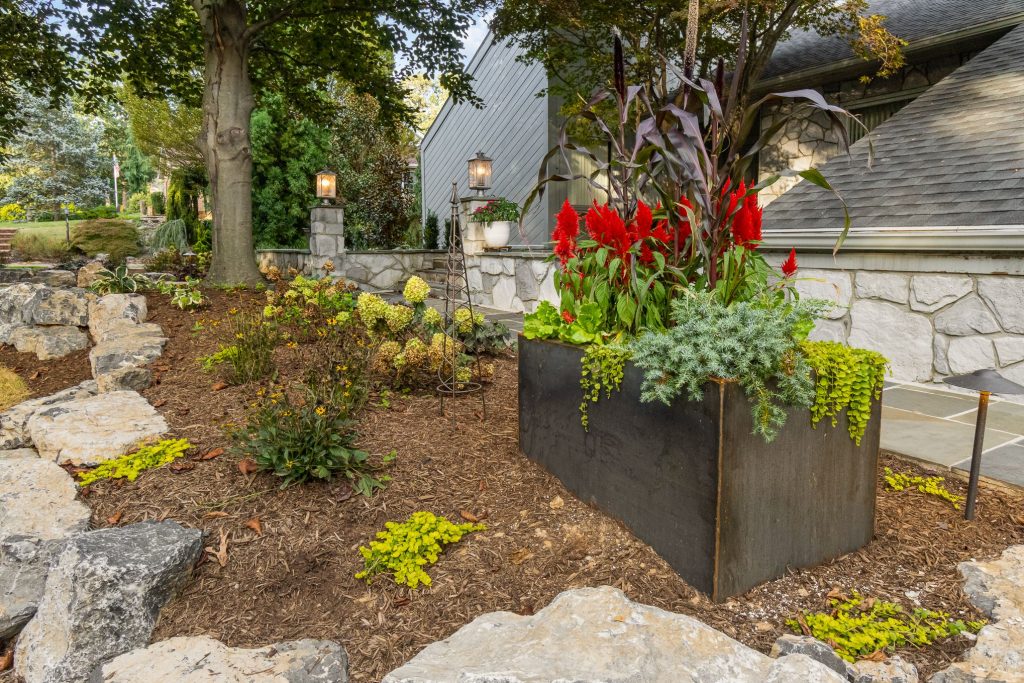
Corten steel planters, raised garden beds, landscape edging, and architectural elements can remain outdoors throughout winter. Snow can accumulate on the surface, melt, and contribute moisture to the weathering process.
The important consideration is water management.
Products should be designed and installed so water can drain appropriately rather than becoming trapped in areas where prolonged moisture could create problems.
Does Corten Steel Rust More in Winter?
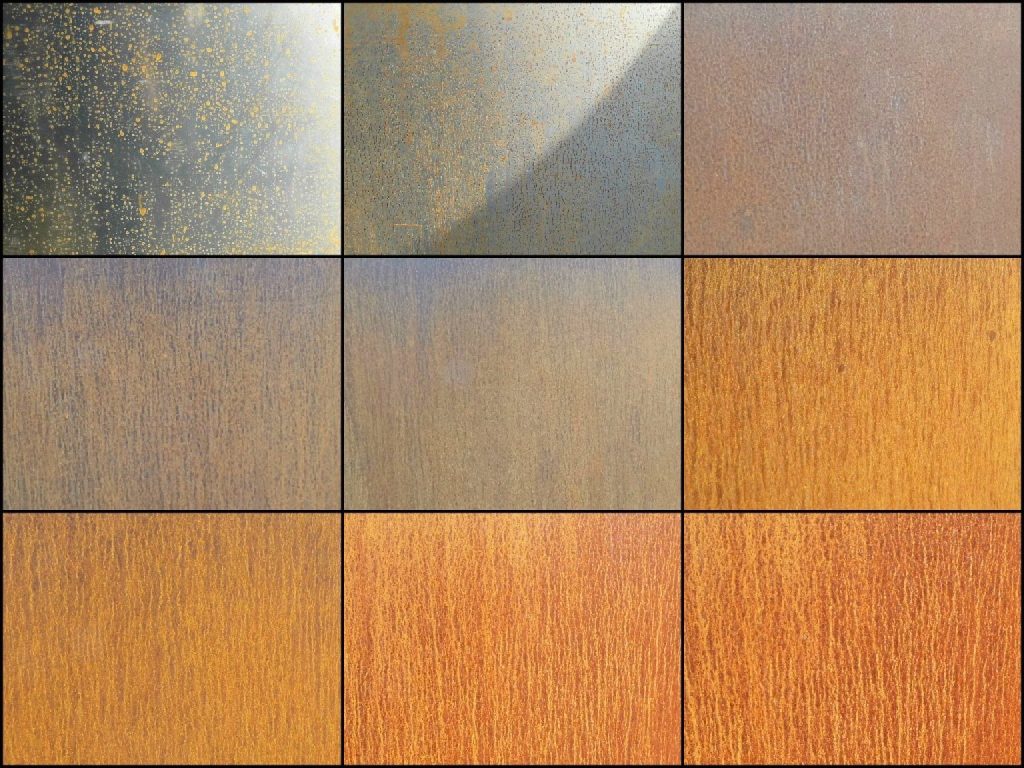
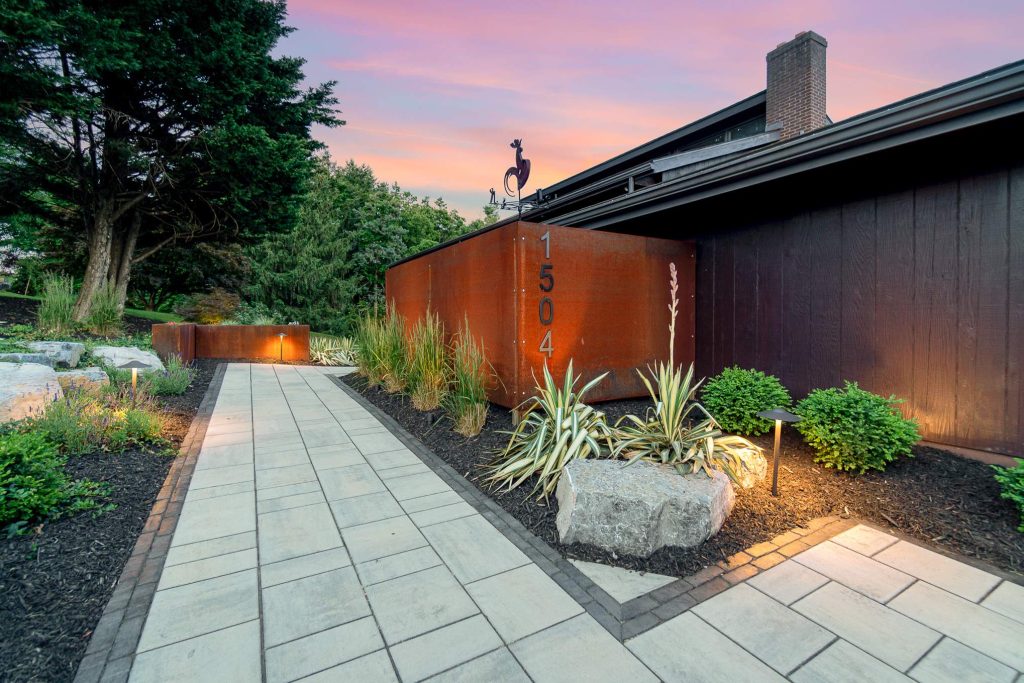
Corten steel develops its characteristic appearance through a natural weathering process. Moisture and oxygen interact with the steel’s surface, causing it to develop a protective layer of oxidation known as a patina.
Winter weather can contribute to this process, particularly when temperatures fluctuate between freezing and thawing.
However, Corten steel does not simply continue to “rust away” indefinitely like ordinary mild steel. The developing patina is intended to help protect the underlying steel from continued corrosion.
The rate and appearance of weathering can vary depending on factors such as climate, humidity, exposure, temperature, and how frequently the surface becomes wet and dries.
How Does Corten Steel Look in Winter?
One of the most interesting characteristics of Corten steel is that its appearance can continue to evolve throughout the year.
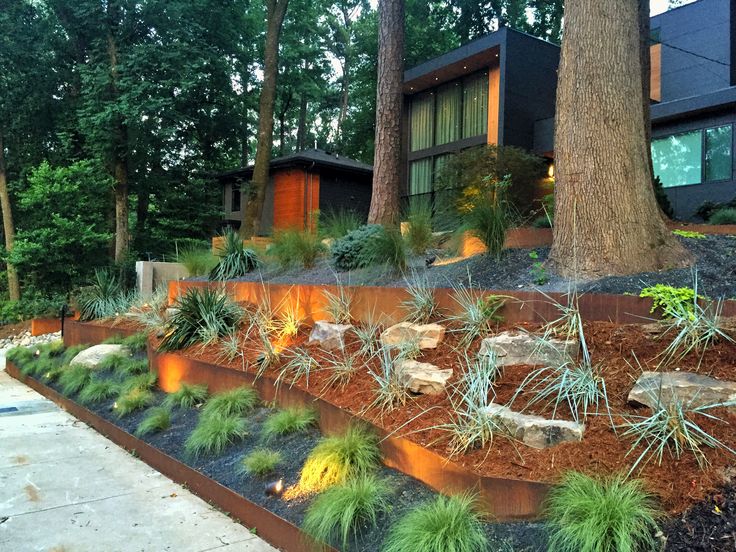
The warm orange, copper, brown, and earthy tones of the patina can look particularly striking against a winter landscape.
Imagine a weathered Corten planter surrounded by dormant grasses, evergreen shrubs, stone, snow, or a frost-covered landscape. Rather than disappearing into the winter scenery, the warm tones of weathering steel can provide contrast and visual interest.
For landscape designers and homeowners who want a material that develops character over time, that changing appearance is part of the appeal.
Can Corten Steel Planters Stay Outside During Winter?
Yes. Corten steel planters are designed for outdoor use and can remain outside through seasonal temperature changes.
However, winter preparation is still important.
For Corten planters, consider:
- Ensuring drainage openings remain clear
- Avoiding situations where water can become trapped
- Maintaining appropriate soil and drainage conditions
- Checking irrigation systems before freezing temperatures arrive
- Allowing adequate space for plants and soil to accommodate seasonal conditions
The specific winter requirements can depend on the planter design, location, plants, soil, and local climate.
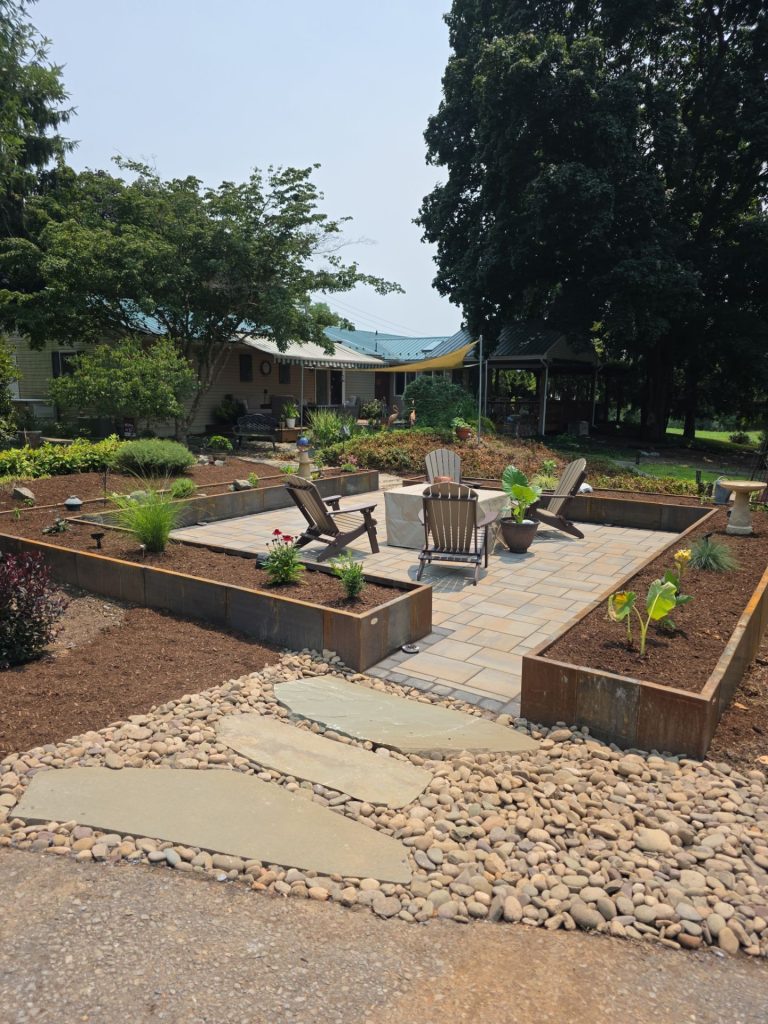
What About Corten Steel Raised Garden Beds?
Corten steel raised garden beds can also remain outdoors through winter.
Because raised beds are exposed to rain, snow, freezing temperatures, and thawing cycles throughout the year, proper installation and drainage are important.
One advantage of Corten steel raised beds is that they don’t need to be removed or stored when the growing season ends. They can remain a permanent part of the landscape while the garden transitions from one season to the next.
As spring arrives, the beds are ready for another growing season.
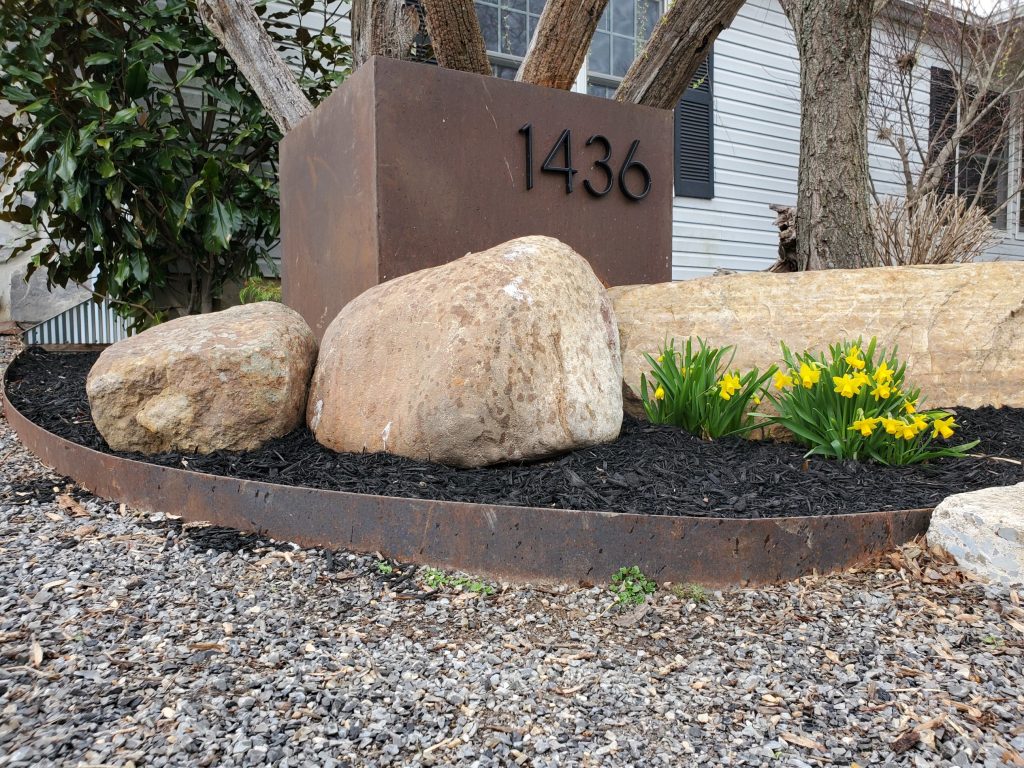
How Does Winter Affect the Corten Patina?
The Corten patina is not necessarily a finished “color” that remains exactly the same forever.
Weathering steel can continue to change as it is exposed to different environmental conditions. A product may appear different after months or years outdoors than it did when it was first installed.
The combination of moisture, oxygen, temperature fluctuations, and drying periods contributes to this evolving appearance.
That’s one reason Corten steel is often described as a living finish—the material develops its own character over time.
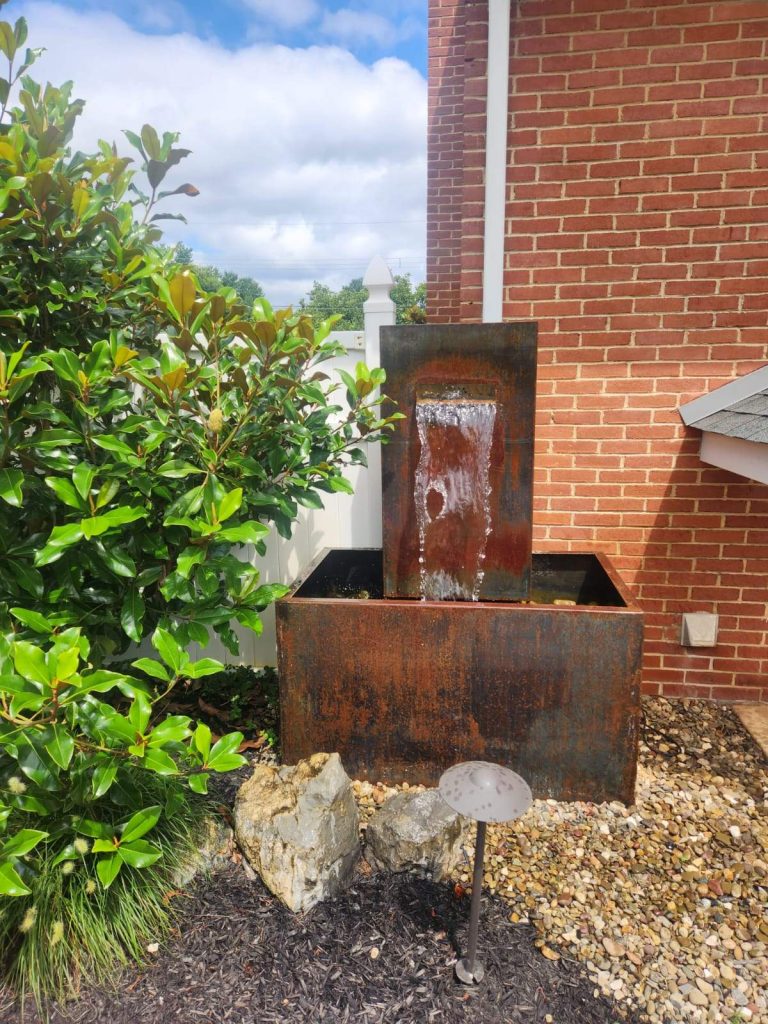
What About Corten Steel in Pennsylvania Winters?
For landscapes in Pennsylvania and other areas that experience cold winters, Corten steel can be an especially interesting material choice.
Pennsylvania landscapes experience significant seasonal variation, including warm summers, rain, humidity, freezing temperatures, snow, and repeated freeze-thaw cycles.
Corten steel is well suited to outdoor applications where a durable, weathered appearance is desired. However, the product still needs to be appropriately designed and installed for its intended use.
For products such as water features, planters, and custom architectural elements, drainage, water exposure, construction details, and installation methods should all be considered during the design process.
Does Corten Steel Need Winter Maintenance?
One of the advantages of Corten steel is that it generally does not require the type of seasonal maintenance associated with painted or coated steel products.
That doesn’t mean it should simply be ignored.
Periodic inspection can help identify issues such as:
- Blocked drainage
- Standing water
- Unexpected corrosion in areas that remain continuously wet
- Damage to surrounding materials from runoff
- Changes in the installation environment
For most outdoor Corten products, routine observation and proper drainage are more important than applying seasonal coatings or treatments.
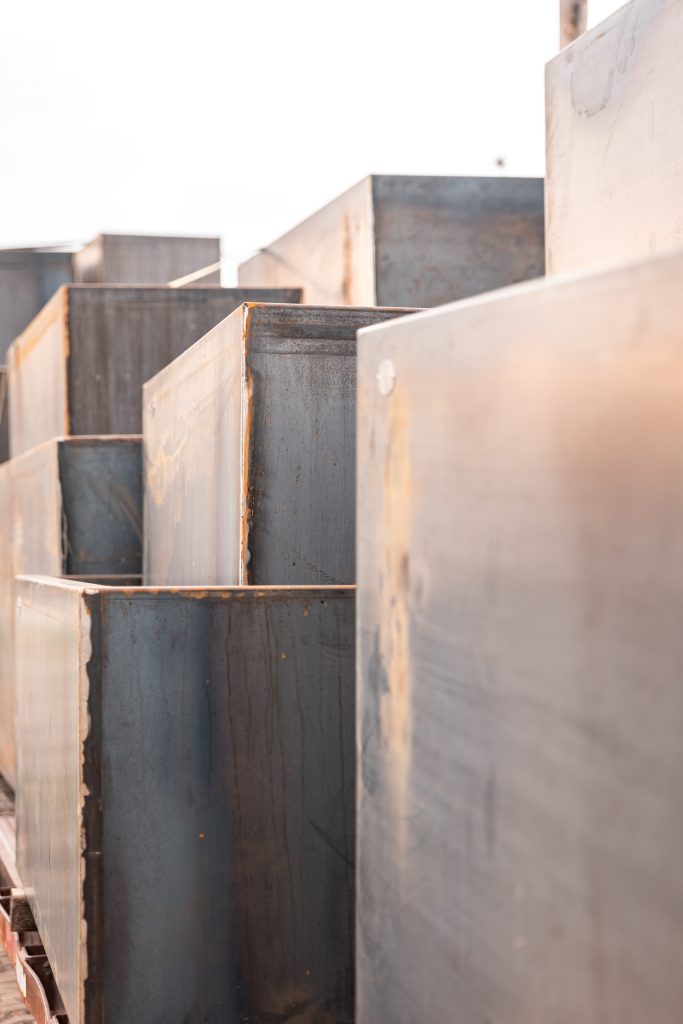
Corten Steel Is Made for the Outdoors
Winter doesn’t have to mean putting Corten steel away.
From Corten steel planters and raised garden beds to landscape edging, water features, and custom fabricated products, weathering steel is designed to become part of the outdoor environment.
Its appearance changes with exposure, and its distinctive patina can add warmth and texture to a landscape even when temperatures drop and the growing season comes to an end.
At National Planter Supply, we manufacture Corten steel products designed for outdoor landscapes, gardens, commercial properties, architectural applications, and custom projects.
Whether you’re looking for Corten steel planters, raised garden beds, landscape edging, water features, or a custom fabricated product, we’re happy to help you determine whether Corten steel is right for your project.
Interested in adding Corten steel to your landscape? Contact National Planter Supply to discuss your project.